|
4 July 2026
|
||||

|
||||
|
Published by the Institute for Strategic Solutions (ISR)
|
||||
|
Read this online here. Visit The Adriatic at theadriatic.si
|
||||
|
Powered by Post of Slovenia
|
||||
|
|
||||
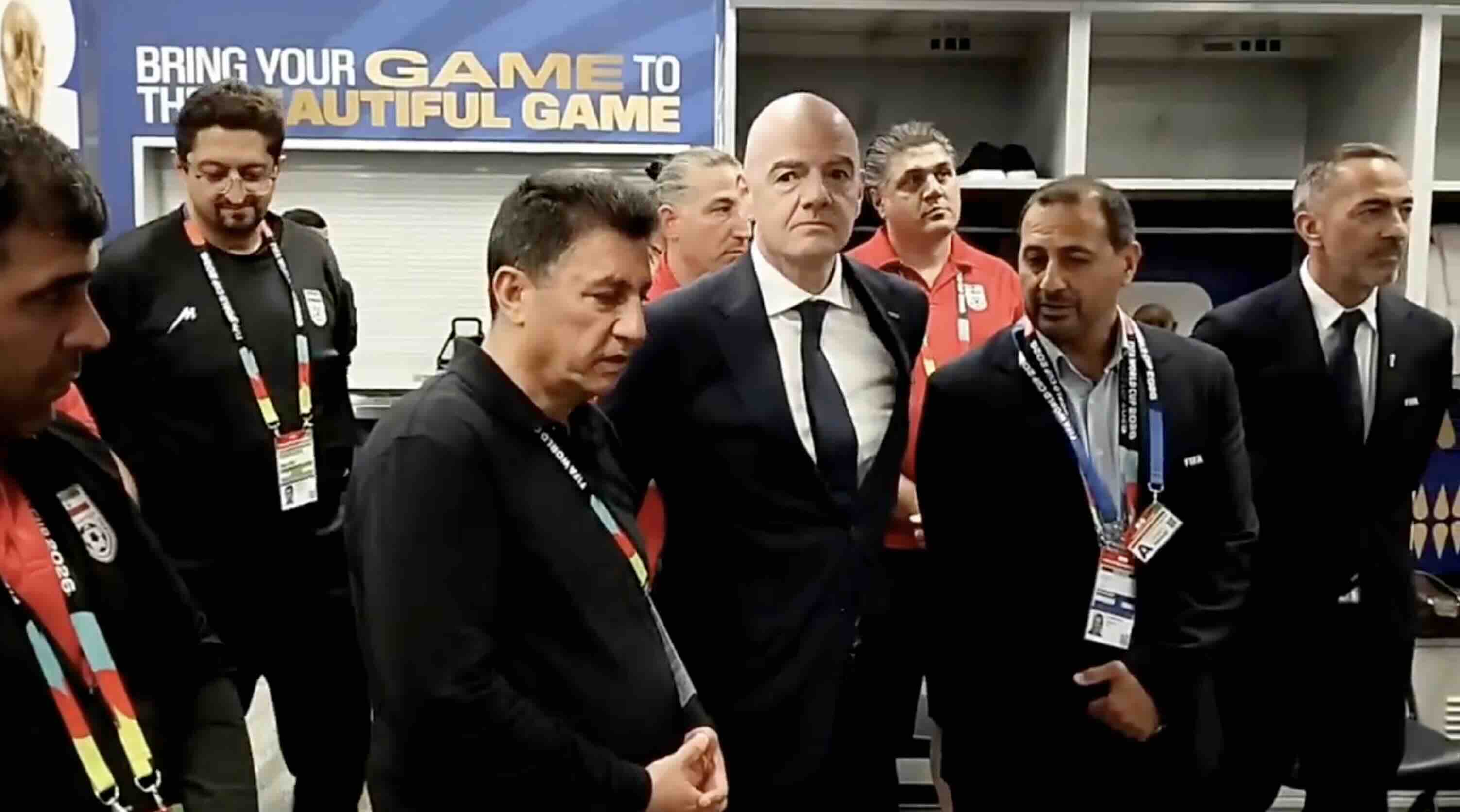
The game that connects and dividesManca Frank When FIFA President Gianni Infantino walked into Iran's dressing room, cameras followed. He shook hands, smiled for photographs, and spoke about football's power to unite people beyond politics. "I know what you go through, I understand," he told the players. "But you are stronger than everything." For a few moments, the cameras captured exactly the image FIFA likes to promote: football bringing people together beyond politics and belonging to everyone. Outside that dressing room, the reality looked very different.
While FIFA celebrated football's ability to unite the world, the very same Iranian team was facing political barriers unrelated to the game itself. Because of United States entry restrictions, the squad had to base itself in Tijuana, Mexico, travelling across the border for matches and returning immediately afterwards. Eleven members of the delegation - including the federation president, Mehdi Taj - were never able to obtain US visas, forcing Iran to prepare for the world's biggest sporting event without its full support team. Qualification had earned them a place at the World Cup, but it had not guaranteed equal conditions to compete. By the end of the group stage, the warmth of the dressing-room visit had curdled. "Infantino came to the first game and said, 'We will solve every problem here', but actually FIFA did nothing," captain Mehdi Taremi said, describing the tournament as a disaster. Iran went home unbeaten - three draws from three games, a stoppage-time winner against Egypt overturned by VAR, and elimination sealed a day later by a result in a match they were not even playing. One point short of a first-ever knockout berth, they were left wondering how much of the margin was football and how much was everything around it. That contradiction lies at the heart of the 2026 FIFA World Cup. Hosted by the United States, Canada and Mexico, the tournament has expanded from 32 to 48 teams. FIFA has presented the expansion as a milestone for inclusion. More nations qualify, new football cultures are represented, and more supporters see their countries on the biggest global stage. For a few weeks, borders appear less important than the game itself. Football promises a space where politics gives way to competition and national differences are reduced to ninety minutes on the pitch. But political tensions do not disappear once the tournament begins. They become part of the competition itself. What looks like equal participation on paper is shaped in practice by unequal realities. Football is often described as a force that unites the world. Visually, that is true. Never before have so many countries shared the same stage so visibly. But unity is not the same as equality. The modern game brings the world together without erasing the inequalities that shape who gets to participate, how they participate, and under what conditions. The World Cup does not overcome these contradictions. Instead, it places them on the world's biggest stage, where they become impossible to ignore. |
||||
|
||||
|
|
||||
|
||||
|
|
||||
|
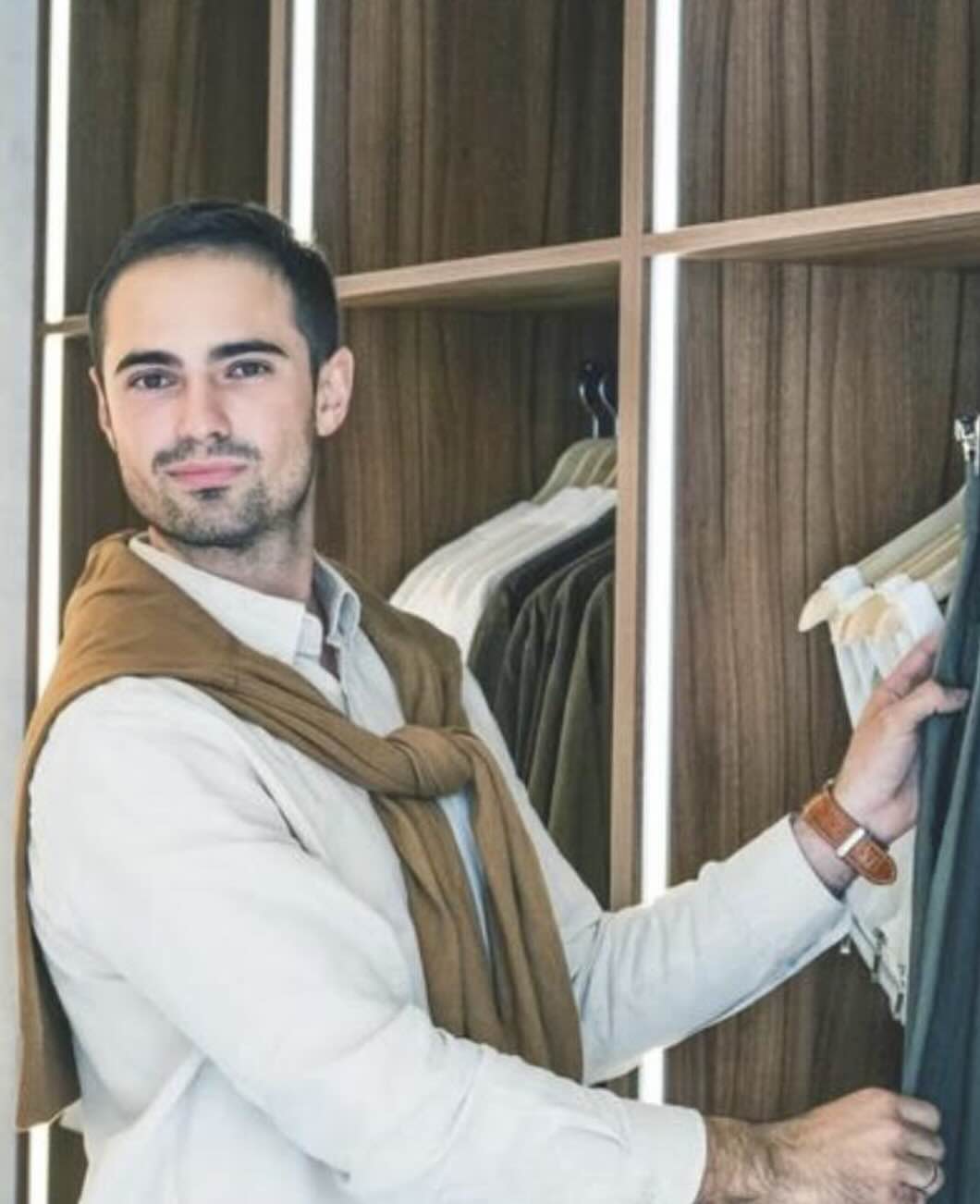
Tete-a-Tete The fast fashion defectorDominik Sporiš spent years inside the machine - modelling for Yves Saint Laurent, appearing in British Vogue, merchandising at Zara. Then he walked away. Earlier this year he opened Mokosh in Ljubljana, a boutique named after the Slavic goddess of weaving, selling timeless pieces in linen, silk and cashmere. His message: buy less, buy better.
|
||||
|
|
||||
|
||||
|
|
||||
|
Hemingway's playground Leisure with a historic twist: Active isolation in the Soča ValleyTine Kračun When Ernest Hemingway penned the lines "In the bed of the river there were pebbles and boulders, dry and white in the sun, and the water was clear and swiftly moving and blue in the channels" in A Farewell to Arms, he was capturing a landscape caught in the grim machinery of the First World War. The river he described was Soča and the "village in the valley" was Kobarid, the site of one of the twentieth century's most devastating mountain battles. A century later, the chalk-white boulders remain, and the water is still an impossibly brilliant turquoise. Yet the rhythm of the valley has profoundly shifted. Where soldiers once marched through alpine mists, today's travelers arrive to engage with the landscape on entirely different terms.
The valley has quietly transformed into a premier European cycling hub, while its sheer topography offers vertical excitement for thrill-seekers - from canyoning through hidden chutes to paragliding off the high ridge of Stol. But what elevates the valley from a mere outdoor gym is its ghost-layered past. The complete dispatch - including where to eat and where to sleep - is here. |
||||
|
|
||||
|
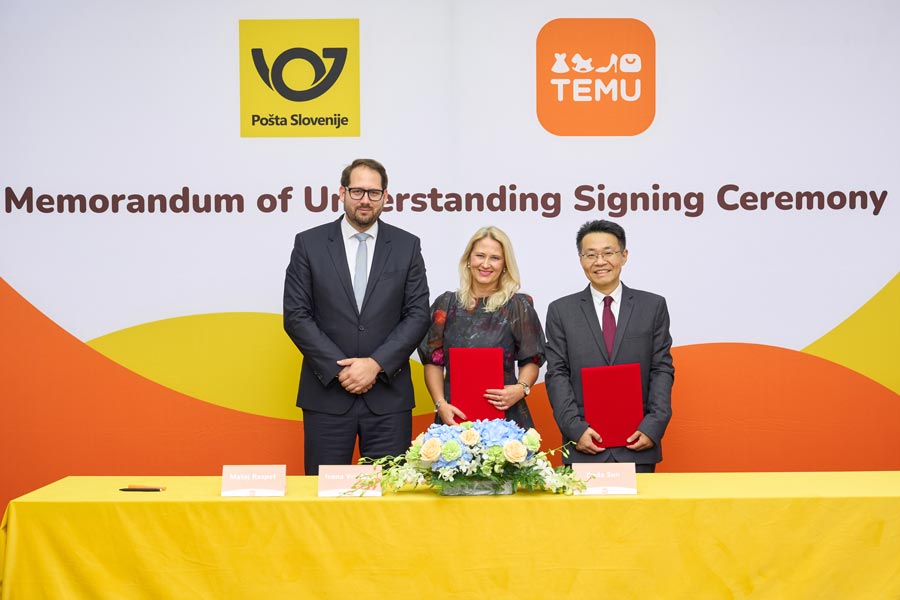
In Brief President Aleksandar Vučić told a June 27 rally of his ruling Serbian Progressive Party (SNS) in Belgrade that he is serving out his "last days and weeks" in office. Serbia's leader has floated resigning before, as protests triggered by a railway-canopy collapse in Novi Sad that killed 16 people in November 2024 continue to dog his government. Under the constitution, parliament speaker Ana Brnabić would serve as interim president, with a snap presidential vote due within 90 days. Parliamentary elections are not due until the end of 2027. The following day, on Saint Vitus Day, anti-government protesters rallied in Kraljevo. Mr Vučić, who hits his two-term limit in May 2027, is widely expected to seek the premiership instead. Post of Slovenia, the state postal operator, signed a logistics partnership with Temu, the Chinese-founded online marketplace, to support the platform's Local Seller Program. Under the deal Post of Slovenia will use its delivery network to help Slovenian online retailers reach buyers in other European markets, with both sides also flagging future cooperation on cross-border logistics, warehousing and last-mile delivery across Slovenia and south-east Europe. Temu opened its marketplace to European merchants in 2024 and extended the offer to Slovenian sellers this March. Ivana Vrviščar, a Post of Slovenia board member, called the tie-up a step toward positioning the company as a regional e-commerce logistics hub - a rebrand for an operator once known mainly for parcels nobody tracked. Montenegro is on the verge of accelerating its EU accession bid. This week the European Commission adopted a financial package outlining the country's expected contributions to and payouts from the bloc's 2028-34 budget, factoring Podgorica into the calculations for the first time. Montenegro's bid is the most advanced of any aspirant, with membership targeted for 2028. Its share of the next budget, pending negotiations, is estimated at €3.2bn - around 40% of 2025 GDP - split between €1bn for cohesion, €500m for competitiveness and €600m for home affairs, against a contribution of roughly €500m. Podgorica has provisionally closed 16 of the 33 negotiation "chapters," two of them in June, a month after the EU set up a working group to draft its accession treaty. Aligning with the EU's visa regime, reforming the judiciary and managing Croatia's veto power remain outstanding. |
||||
|
|
||||
|
Gripes, requests or inquiries are always welcome. Drop us a line at [email protected].
|
||||
|
|
||||
|