Can Slovenia stay ahead in the cyber arms race?
As artificial intelligence gains the power to generate lifelike videos of executives or mimic co-workers’ voices to authorise urgent transfers, the challenge of protecting even the most basic digital interactions has never been more daunting.
The Adriatic Team
Generative AI is transforming cyber-attack capabilities in 2025, allowing criminals to automate and scale operations with unprecedented sophistication. Tools once reserved for seasoned hackers now help even modestly skilled actors probe system weaknesses, refine phishing lures and generate deepfake scams, dramatically widening the attack surface.
The weakest link is also the strongest
AI makes it trivially easy for attackers to fabricate credible identities and manipulate employees. The human element, long the weakest link, has thus become the main theatre of cyber war. Analysts reckon that human error, whether born of ignorance or inattention, lies behind roughly a fifth of all security incidents. Yet individuals are also an organisation’s most potent defensive asset.
How to reinforce that line? Technology alone will not suffice. Knowledge has become the truest antivirus. Understanding how attackers operate, spotting the tell-tale signs of social engineering and recognising deepfake trickery allows users to thwart most attacks before they cause damage. This must be backed by strict organisational policies: identity checks for unusual requests, unwavering use of multifactor authentication and regular updates of security protocols are the hygiene necessities of the digital era.
5G and AI
The same AI powering ever more refined attacks has become indispensable to defenders. Leading Slovenian operators, including Telekom Slovenije, the country’s largest telecoms provider, use it to design more resilient networks and detect suspicious patterns in real time. Historically, cyber-attacks required considerable expertise and manual effort – today AI has lowered entry barriers even as it strengthens some defences. The technology itself is neutral, but its effect depends on who wields it.
So it goes with 5G. As the network expands, soon expected to blanket nearly all of Slovenia, with Telekom already covering almost the entire population, the ecosystem grows more complex. Yet 5G also enables new layers of security. Smart, responsive networks with protections baked into their core let firms build bespoke private networks tailored to their risk profile.
To manage these risks, infrastructure providers have built round-the-clock cyber-security centres. Increasingly, security is shifting away from users’ devices and deeper into the network. Safe Web, a service from Telekom used by more than 150,000 subscribers, blocks malicious content before it reaches the user.
Slovenia’s advantage
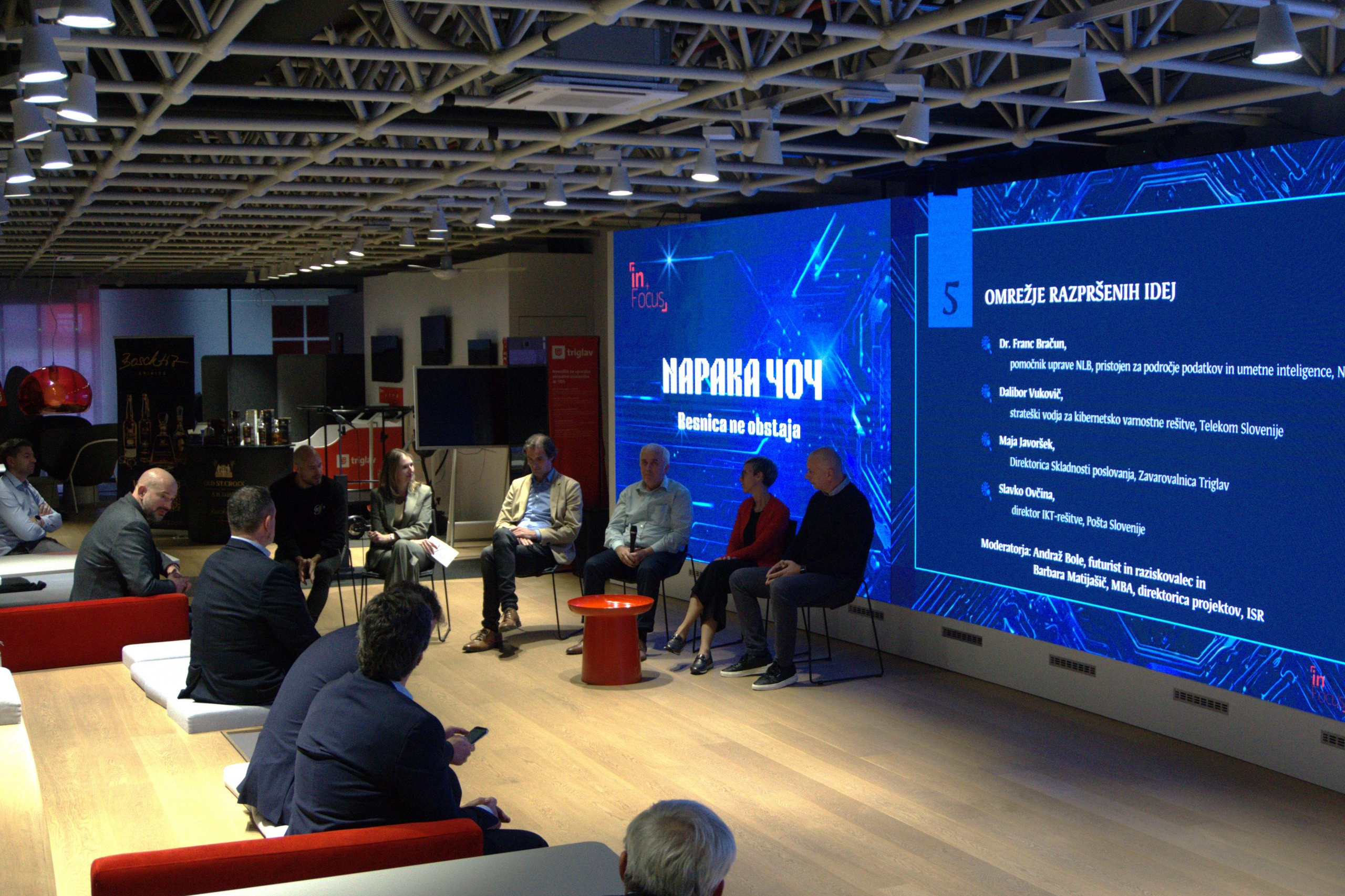
Data from ENISA, the EU’s cyber-security agency, suggest that Slovenia ranks among the bloc’s more digitally secure members. It isn’t starting from scratch. The country boasts the highest number of AI researchers per head in the EU, strong internet infrastructure and extensive e-government services. Its innovation, however, remains concentrated in pockets of the economy, often within the domestic operations of multinationals. The challenge is diffusion rather than capability.
Still, Slovenia has long recognised that technological sophistication matters for economic performance. It has updated its research and innovation policies and nudged its Digital Economy and Society Index ranking to 13th by 2024, a sign of sustained investment in digital infrastructure and services.
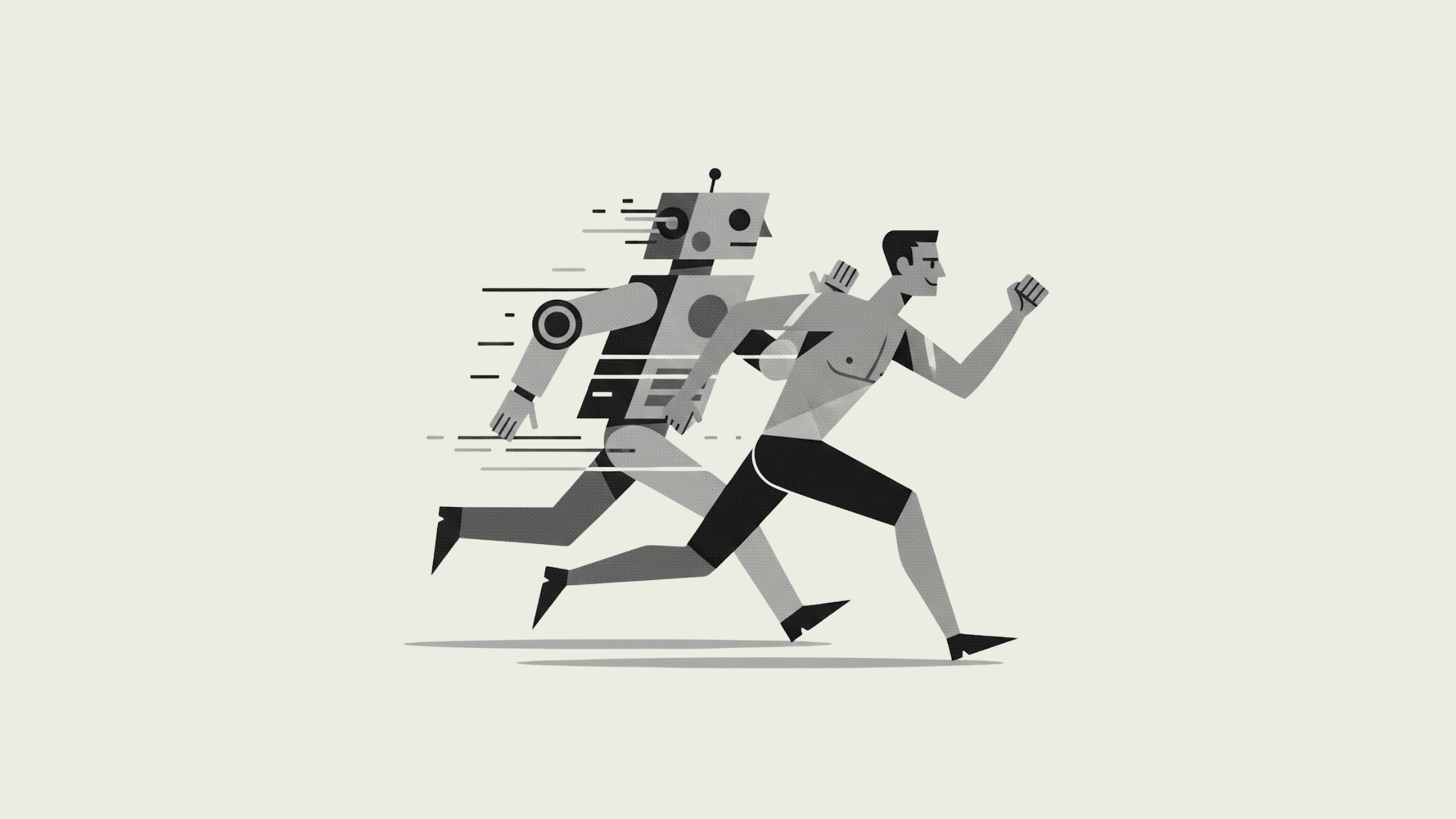
But Slovenia’s favourable position is hardly assured. Collaboration among national operators, government bodies and private firms is becoming crucial. Only by sharing information on threats in real time can the country detect and thwart attacks effectively. Digital security is not a destination but a perpetual process of adaptation. An endless race against ever more inventive adversaries.