Business forum in Tirana signals deepening ties with Albania
As Albania accelerates toward EU membership, Slovenian executives see a fast-growing market on the Adriatic’s eastern shore – and a chance to shape its trajectory.
The Adriatic Team
On a grey Wednesday morning in the Albanian capital, executives from some of Slovenia’s largest companies gathered in a conference room to discuss something that, a decade ago, might have seemed improbable: the rapid emergence of Albania as a serious destination for investment and strategic partnership.
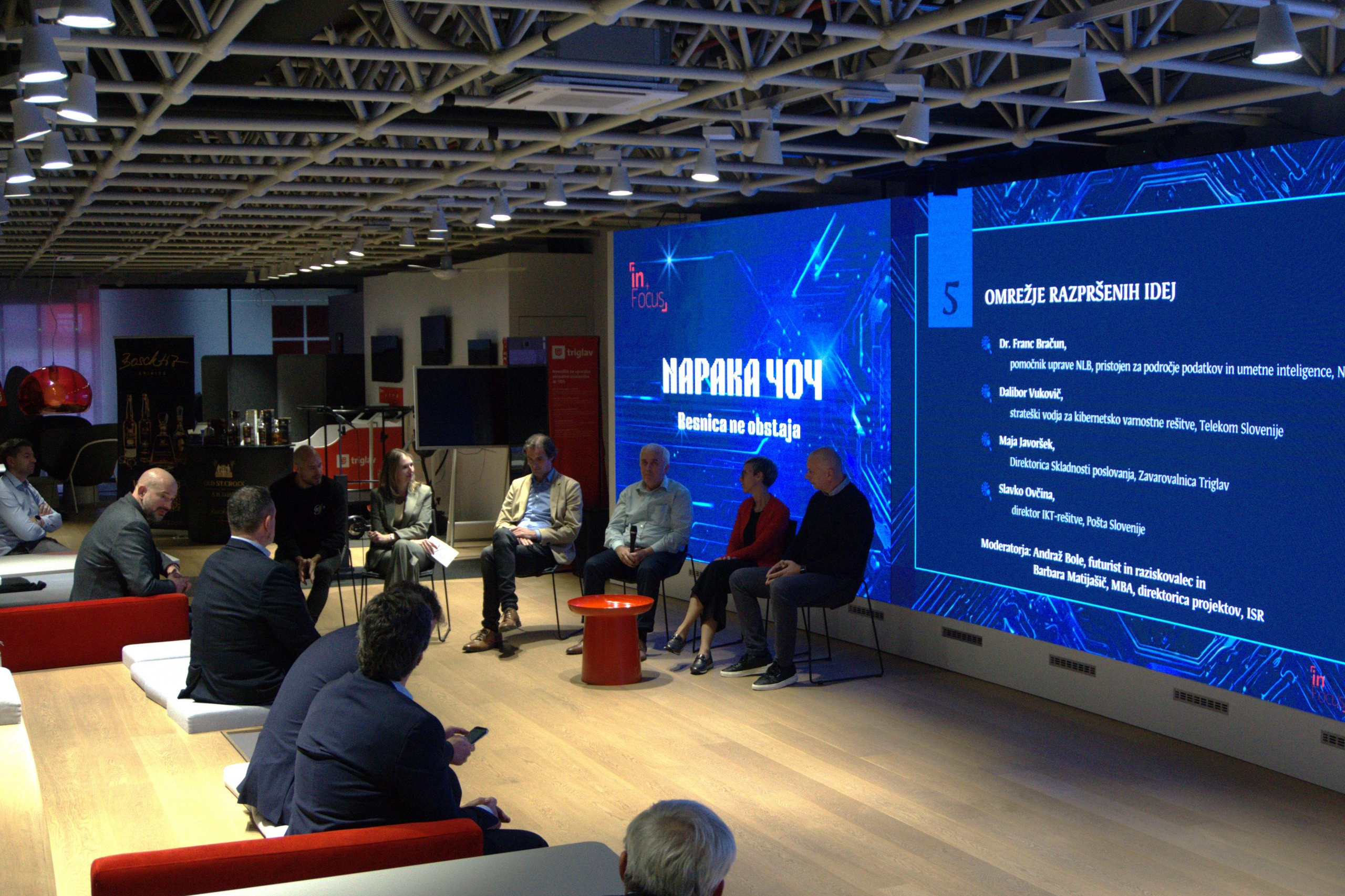
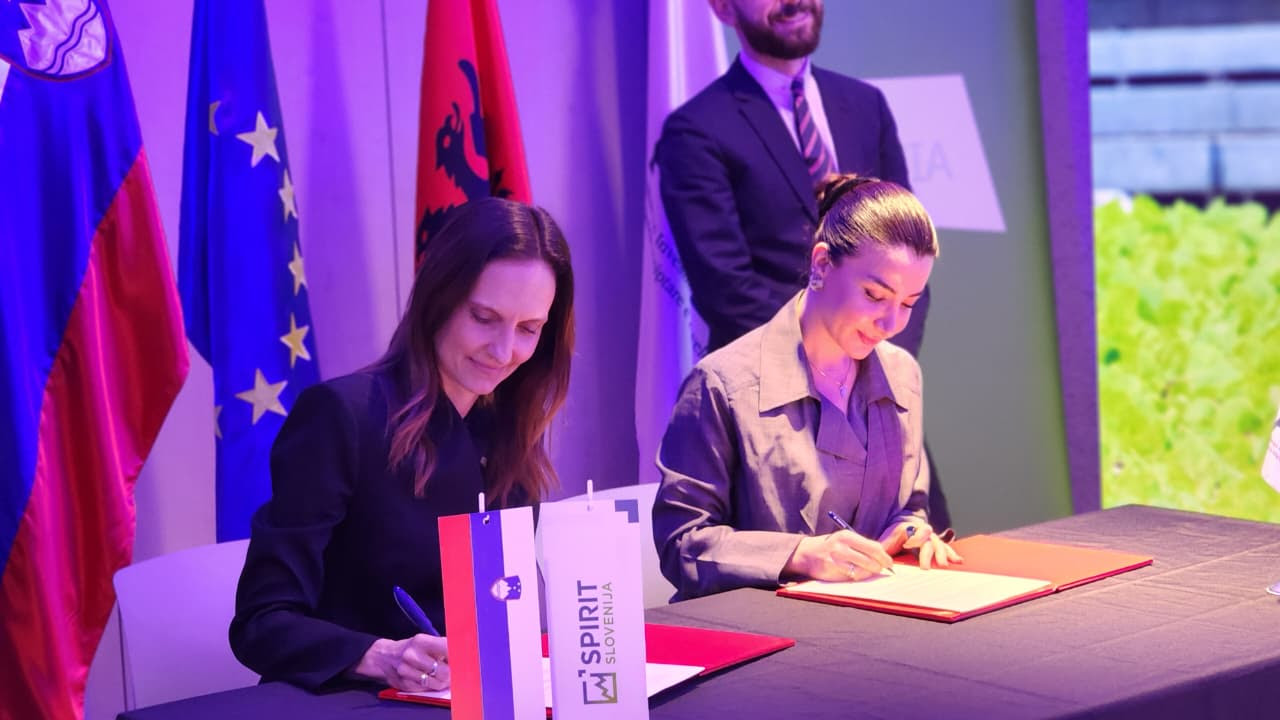
The Slovenia-Albania Business Forum, organised by the Institute for Strategic Solutions (ISR), the Embassy of the Republic of Slovenia in Tirana, and the public agency SPIRIT Slovenia, brought together senior figures from banking, insurance, logistics, and manufacturing alongside Albanian counterparts. The centrepiece of the day was the signing of a memorandum of cooperation between SPIRIT Slovenia and Albania’s Investment Development Agency, AIDA, providing a framework intended to give bilateral economic ties a more formal architecture.
Albania’s real GDP growth reached 3.75 per cent in the third quarter of 2025, spread across virtually every sector. Tourism arrivals have surged by more than 80 per cent. Bilateral trade between the two countries has tripled over the past decade, reaching €108 million in 2024, while Slovenian direct investment in Albania climbed more than 30 per cent last year alone. For a small, open economy like Slovenia’s, these are numbers worth paying attention to.
Banking on the Balkans
Blaž Brodnjak, the chief executive of NLB, the region’s dominant banking group, framed the opportunity in terms of trajectory. NLB is the second-largest bank in both Kosovo and Serbia and ranks among the top three lenders across the Western Balkans, giving it an unusually comprehensive view of regional capital flows.
“This is a country with pronounced development ambition and a clear orientation toward transformation,” Brodnjak said. “The opportunities are significant, but they require a serious, strategic approach.” He identified the expansion of financial services – particularly lending to support foreign direct investment – as the area of greatest potential over the next two years.
Tedo Djekanović, the executive director responsible for subsidiary management at Triglav Group, Slovenia’s leading insurer, echoed the point from a different angle. As foreign capital arrives and local enterprises grow more complex, demand for sophisticated insurance products follows. “Local companies are aware of the challenges and are prepared to align with European legislation and processes,” he said, adding that demand for more complex coverage typically tracks the arrival of foreign investors.
“Treat us as equal partners”
The Albanian perspective, voiced most directly by Arben Shkodra, secretary general of the Albanian National Economic Council, carried a note of caution. The market, he warned, has no room for false assumptions or shortcuts outside official channels. Underestimating local entrepreneurs, he said, remains one of the most common mistakes foreign investors make.
“Albanian companies have rich experience and should be treated as equal partners, not merely as subcontractors,” Shkodra said.
Alban Zusi, co-founder and president of AZ Group, reinforced the message by outlining his company’s regional footprint. Closely connected to the markets of North Macedonia, Kosovo, and Montenegro, AZ Group sees Albania as a natural hub for building regional networks, a place where companies can pool capabilities and serve the broader Western Balkans market from a single base.
On the ground
The forum’s second panel shifted the conversation from macro-level opportunity to operational experience. Samo Kastelic, a board member of the logistics company Intereuropa, which has operated in Albania since 2009, described the country’s EU accession negotiations as a catalyst for growth in Adriatic and Central European transport corridors. “Albania’s entry into the European Union will also bring changes to Adriatic and Central European transport corridors,” Kastelic said, “with a clear objective of finding faster and more cost-effective routes for the flow of goods.”
Sergej Simoniti, director of Coface Slovenia and head of its Adriatic operations, underscored the role of transparency. Coface manages one of the world’s largest databases of corporate and market information, and Simoniti argued that reliable data sharing serves as the foundation for cross-border trust. “It is in the interest of both sides to share reliable and accurate data, as this builds trust and creates a safer environment for international business,” he said.
A practical partnership
Nataša Kos, deputy director of SPIRIT Slovenia, who signed the memorandum with AIDA’s Laura Saro, offered what amounted to the forum’s thesis statement. “Slovenia is not coming to Albania merely as a member of the European Union,” she said, “but as a practical partner with experience from the accession process, strong innovation potential, and a clear emphasis on execution and results.”